EN
♡
The Masters

Anna Atkins

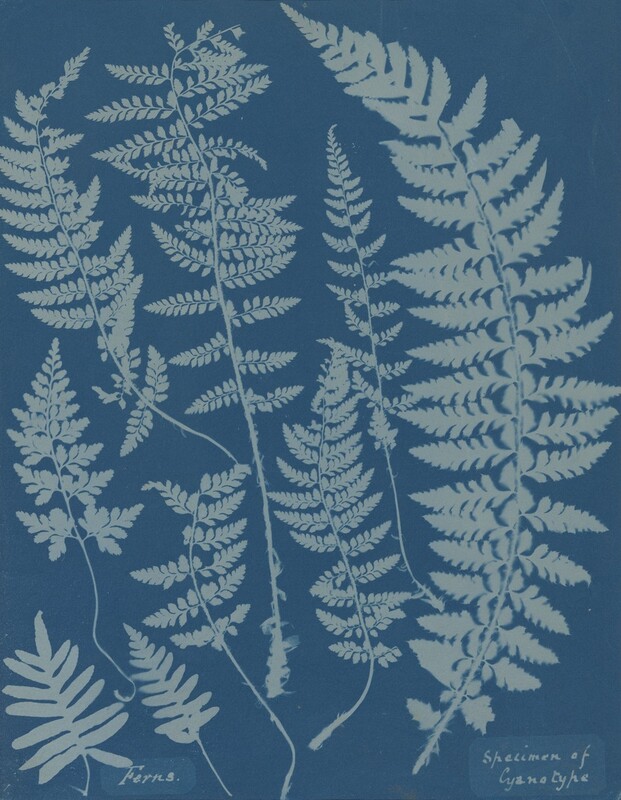
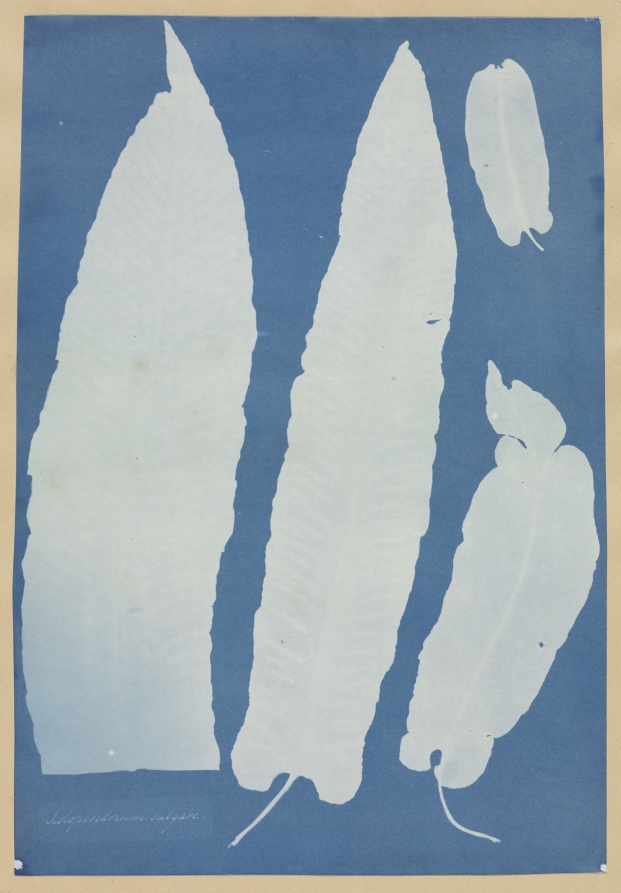
October 10, 2026 · 1 min read · Anna Atkins British, 1799-1871 Anna Atkins was the daughter of John George Children, a respected scientist associated with the British Museum and secretary of the Royal Society, who introduced her to science and its small, tightly knit community in Britain. Taking advantage of her father's position as a member of the society's Committee on Papers, Atkins was among the first to hear directly of Louis-Jacques-Mandé Daguerre's announcement of photography, as well as that of William Henry Fox Talbot, who disclosed the details of his own process to a meeting of the committee in February 1839. In 1842 another family friend, Sir John Herschel, whose early work in photography played a key role in its development in Britain, sent John Children a copy of his paper on the invention of the cyanotype. Combining her interests in botany, illustration, and the new cyanotype, the following year Atkins began production of the serial volumes of British Algae: Cyanotype Impressions (1843-53). This work is generally credited as the first photographically illustrated book, preceding by a year the first fascicles of Talbot's better known Pencil of Nature (1844-46). Atkins, whose earlier hand illustrations had accompanied her father's translation of Jean de Lamarck's Genera of Shells, intended British Algae as a companion to William Harvey's Manual of British Algae (1841). The finished work comprised a brief text and almost 400 captioned cyanotype plates. Atkins, possibly in conjunction with her friend Anne Dixon, went on to produce several more albums whose subjects included plants, ferns, feathers, and lace, all subjects popular with early experimenters in cameraless photography. T.W.F.
Ask AI about this page
ChatGPTPerplexityClaudeGemini
Key takeaways

Anna Atkins British, 1799-1871 Anna Atkins was the daughter of John George Children, a respected scientist associated with the British Museum and secretary of the Royal Society, who introduced her to science and its small, tightly knit community in Britain. Taking advantage of her father's…

Anna Atkins British, 1799-1871

Anna Atkins was the daughter of John George Children, a respected scientist associated with the British Museum and secretary of the Royal Society, who introduced her to science and its small, tightly knit community in Britain. Taking advantage of her father's position as a member of the society's Committee on Papers, Atkins was among the first to hear directly of Louis-Jacques-Mandé Daguerre's announcement of photography, as well as that of William Henry Fox Talbot, who disclosed the details of his own process to a meeting of the committee in February 1839. In 1842 another family friend, Sir John Herschel, whose early work in photography played a key role in its development in Britain, sent John Children a copy of his paper on the invention of the cyanotype.
Combining her interests in botany, illustration, and the new cyanotype, the following year Atkins began production of the serial volumes of British Algae: Cyanotype Impressions (1843-53). This work is generally credited as the first photographically illustrated book, preceding by a year the first fascicles of Talbot's better known Pencil of Nature (1844-46). Atkins, whose earlier hand illustrations had accompanied her father's translation of Jean de Lamarck's Genera of Shells, intended British Algae as a companion to William Harvey's Manual of British Algae (1841). The finished work comprised a brief text and almost 400 captioned cyanotype plates. Atkins, possibly in conjunction with her friend Anne Dixon, went on to produce several more albums whose subjects included plants, ferns, feathers, and lace, all subjects popular with early experimenters in cameraless photography. T.W.F.

Works

Sell with Matchless Pieces

Consign a singular work to the world’s house of illumination, miniature and calligraphy.

Start Selling

The Matchless Letter

Sale previews, new discoveries in illumination and miniature, and private-room invitations.