Félix Teynard French, 1817-1892
Félix Teynard, believed to have been born in Grenoble, was a civil engineer who traveled and photographed in Egypt in 1851-52. Of the resulting plates, 160 were published in Paris by Goupil et Cie. and printed by H. de Fonteny in 32 installments of five each between 1853-54 under the title Egypte et Nubie. Sites et Monument les plus intéressantes pour l'étude de l'art et de l'histoire. . . . The collection later was published in 1857 by Goupil et Cie. for the extraordinary purchase price of nearly 1,000 francs.
Although Teynard is not known to have photographed again, his calotypes of Egypt are prized for their strong personal sensibility. Light and shadow play a strong role, and complex scenes are reduced to broad and simple forms. Teynard returned to Egypt in 1869 from his home in Saint-Martin as an official guest at the opening of the Suez Canal. No evidence of photographic activity on this later journey has been found. T.W.F.
Works
- Karnak (Thèbes), Palais--Salle hypostyle--Colonnade Centrale--Décoration d'un Fut
- Dakkeh, Village et Rives du Nil (Village and banks of the Nile, Dakkeh)
- Date palms, Karnak
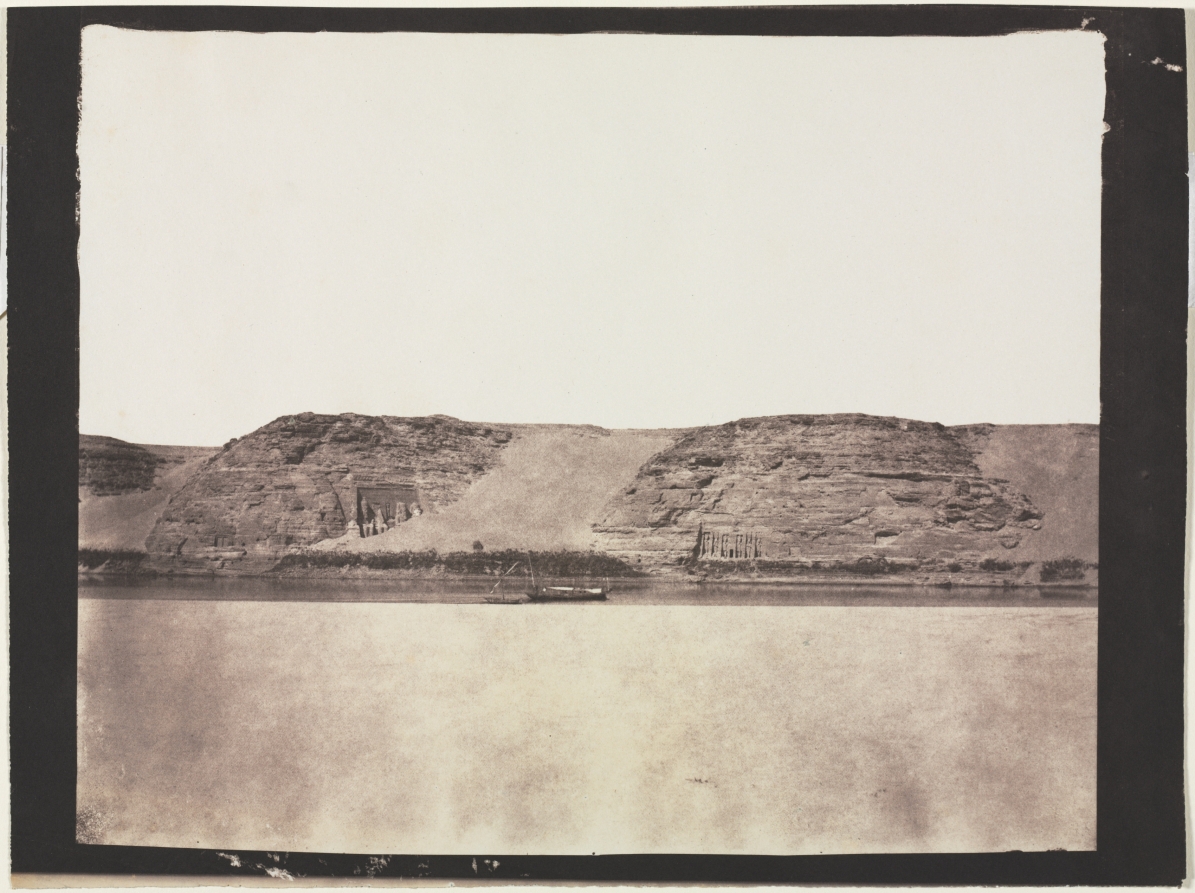
- General View of Monuments Carved into Bedrock with Photographer's Dahabieh. Abu Simbel
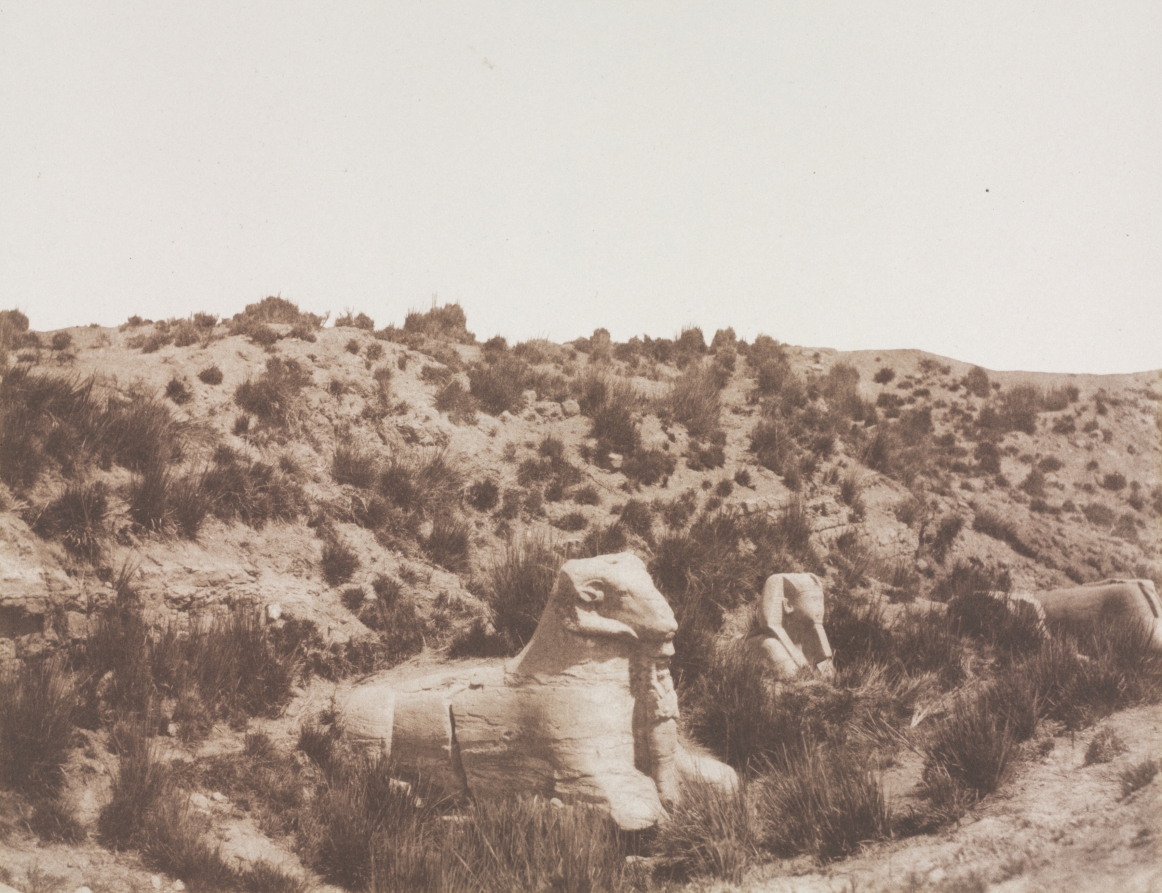
- Sphinxes with a Human Head and with a Ram Head at Point Y. Karnak (Thebes)
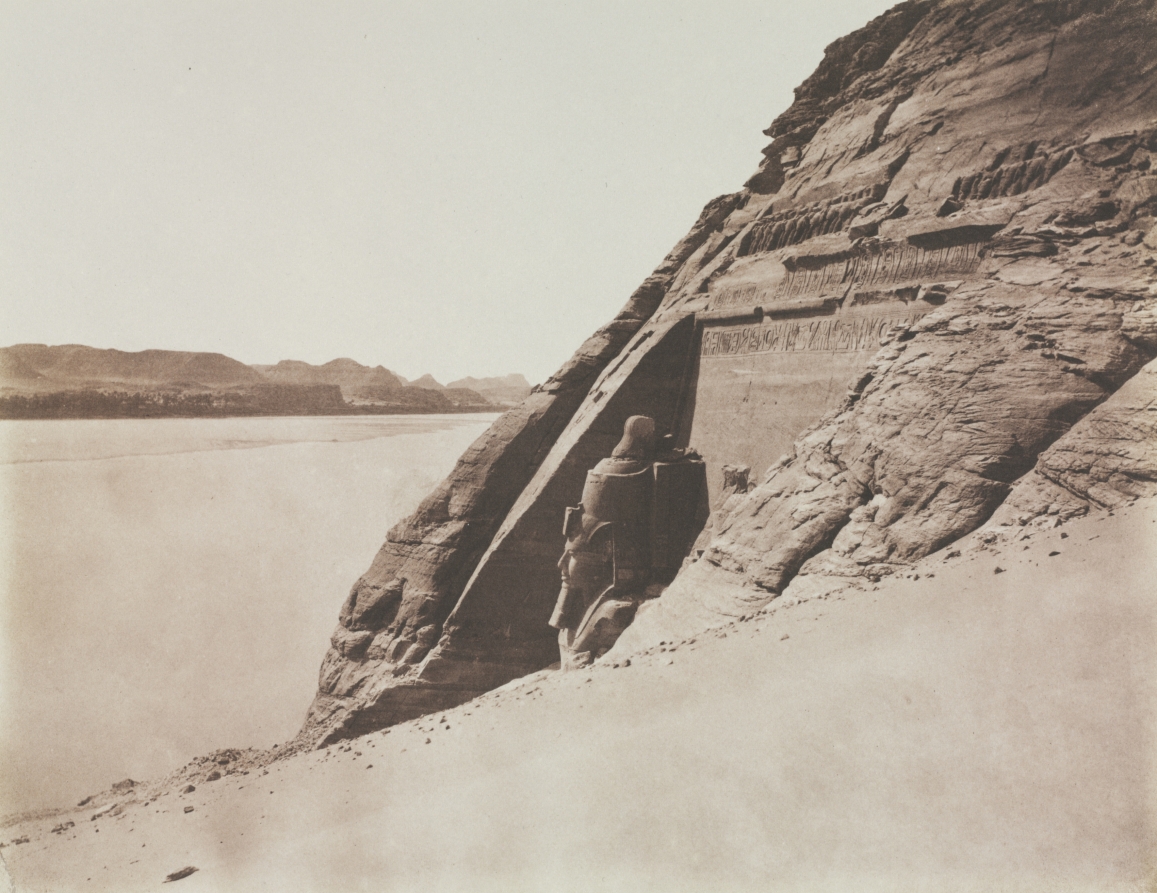
- Large Speos - View taken from the Sand Slope (Temple of Ramesses II), Abu Simbel