Click image to view full screen

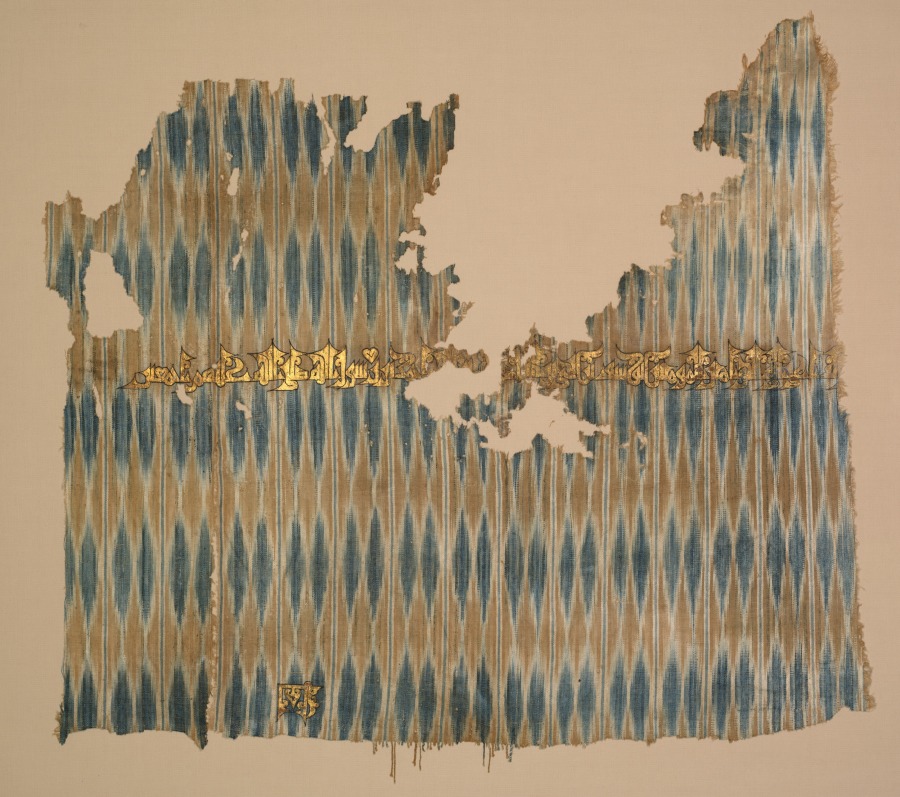
Ikat tiraz
✓ Authenticity guarantee · ✓ Specialist condition report · ✓ Insured worldwide shipping · ✓ Private-room viewing
The "flame" pattern was dyed on the vertical warp threads before weaving began by tightly binding them to resist dye penetration, and repeated for each color. The process and fabric are called ikat, a Malaysian word which may have originated in South Arabia. Yemeni ikats with historical Arabic inscriptions from the 10th century are among the oldest known. This text, written in Kufic script with gold leaf outlined in black, identifies a ruler of the Yemen: ". . . [a]l-Da’i ila al-Haqq, Commander of the Believers, Yusuf b. Yahya b. al-Nasir li-Din Allah Ahmad, son of the apostle of God, may God bless the all." The Arabic phrase "to God" is inverted at the bottom.
| Artist / Maker | Yemen, San’a’, Zaydi Imam period |
|---|---|
| Date | 960–80 |
| Culture / Origin | Yemen, San'a', Zaydi Imam period |
| Medium | resist-dyed warp (ikat); plain weave with inscription: cotton and gold leaf |
| Dimensions | Overall: 60.3 x 64.5 cm (23 3/4 x 25 3/8 in.); Mounted: 67.9 x 74.3 cm (26 3/4 x 29 1/4 in.) |
| Department | Textiles |
| Type | Textile |
About the Artist
Provenance & Source
Image & data: Cleveland Museum of Art, CC0 / Public Domain.
Condition
A detailed condition report and high-resolution photography are available from our specialists in advance of the sale.
Shipping & Collection
Fine-art shipping with climate control and full insurance to over 120 countries; collection by appointment.
Buying at Matchless Pieces
Register, verify your identity, and bid online or in a private room. Buyer’s premium and taxes are shown before you confirm.
You May Also Like
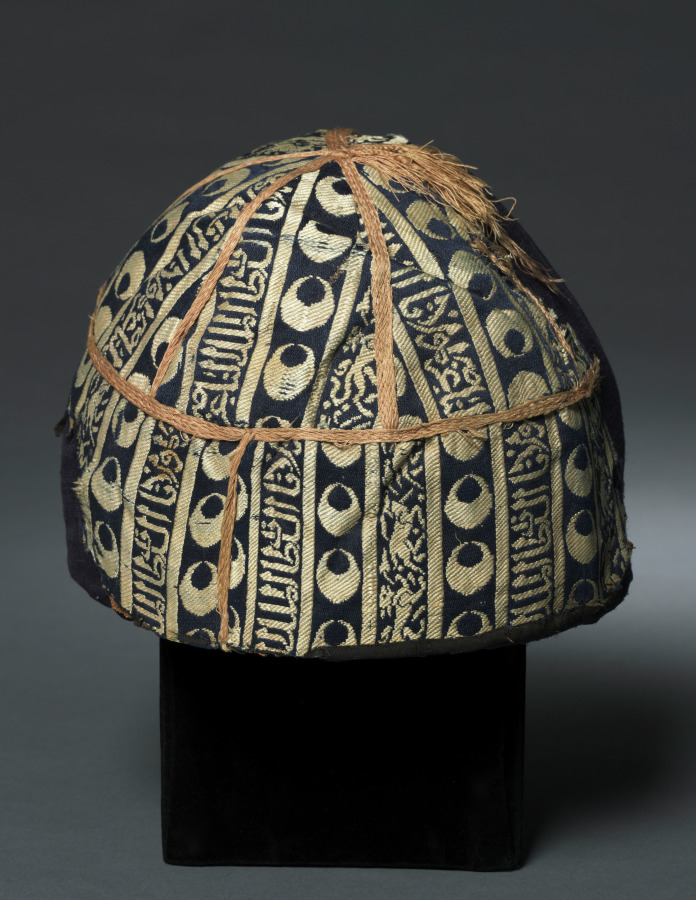
Mamluk Sultanate (Egypt or Syria)
Cap with Striped Inscribed Silk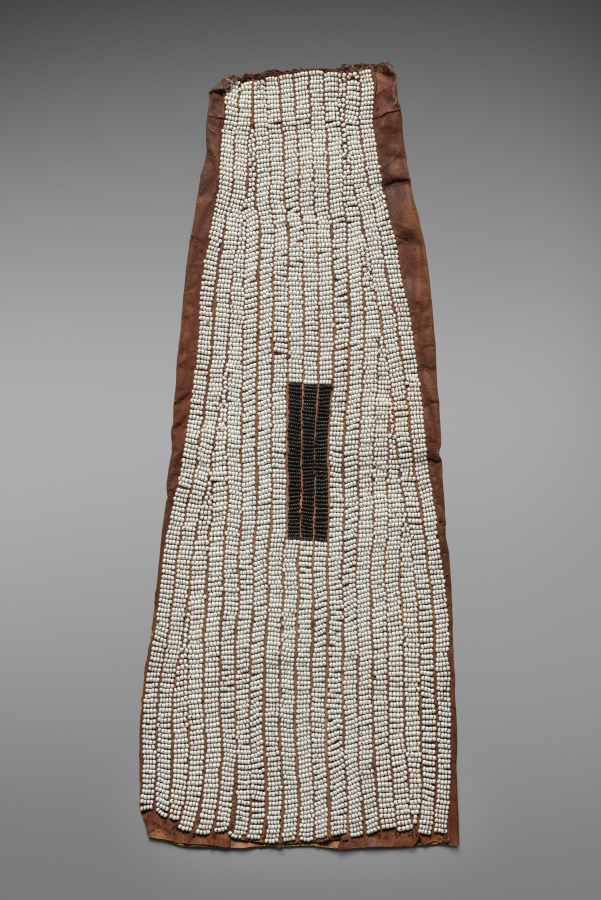
Anonymous, Unknown female Xhosa-style maker(s)
Royal ceremonial headdress (umnqwazi)
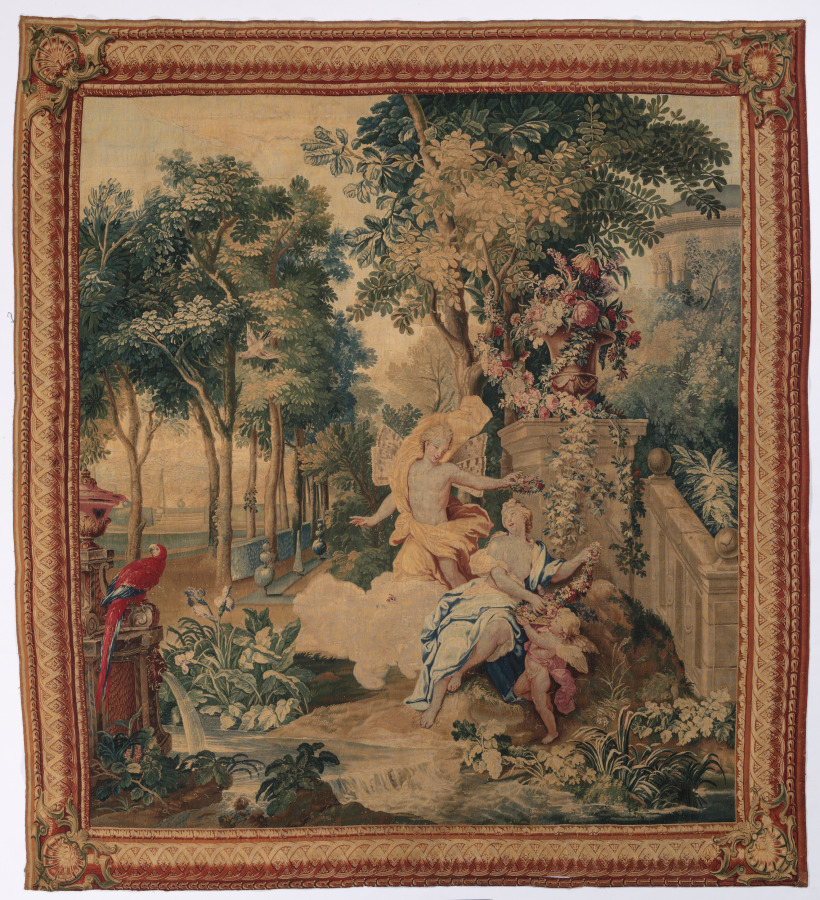
Gobelins Manufactory
Apollo and the Serpent Python (from Set of Ovid's Metamorphoses)