Click image to view full screen

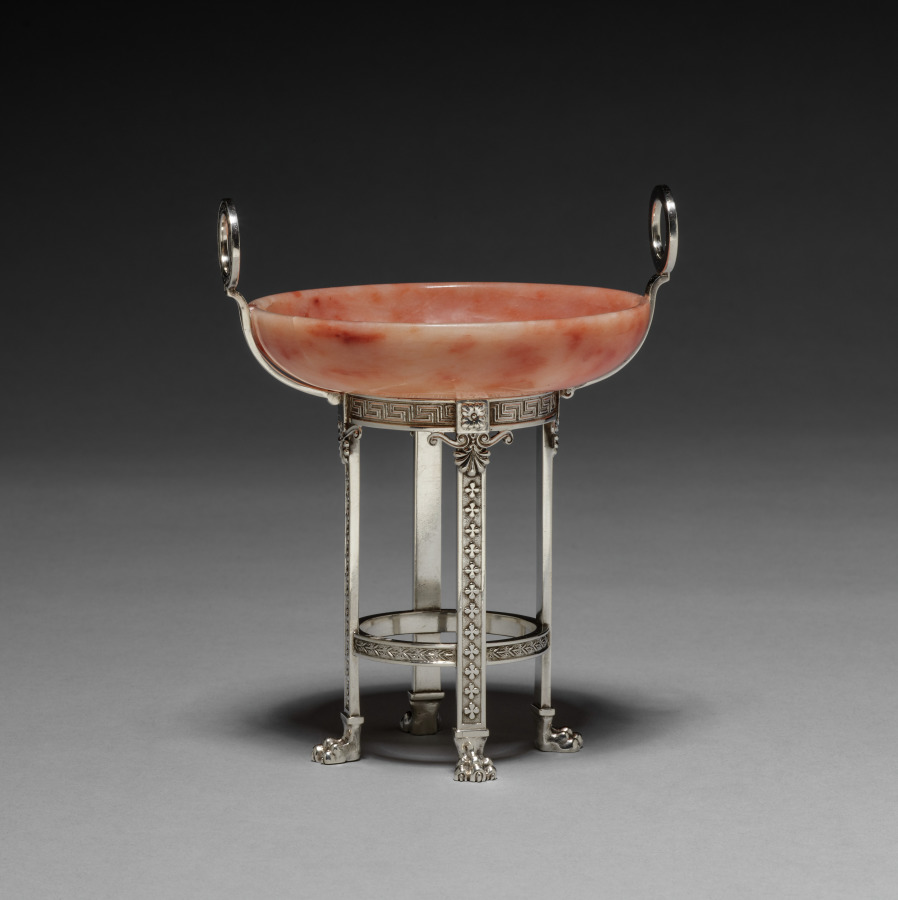
Miniature Compote
✓ Authenticity guarantee · ✓ Specialist condition report · ✓ Insured worldwide shipping · ✓ Private-room viewing
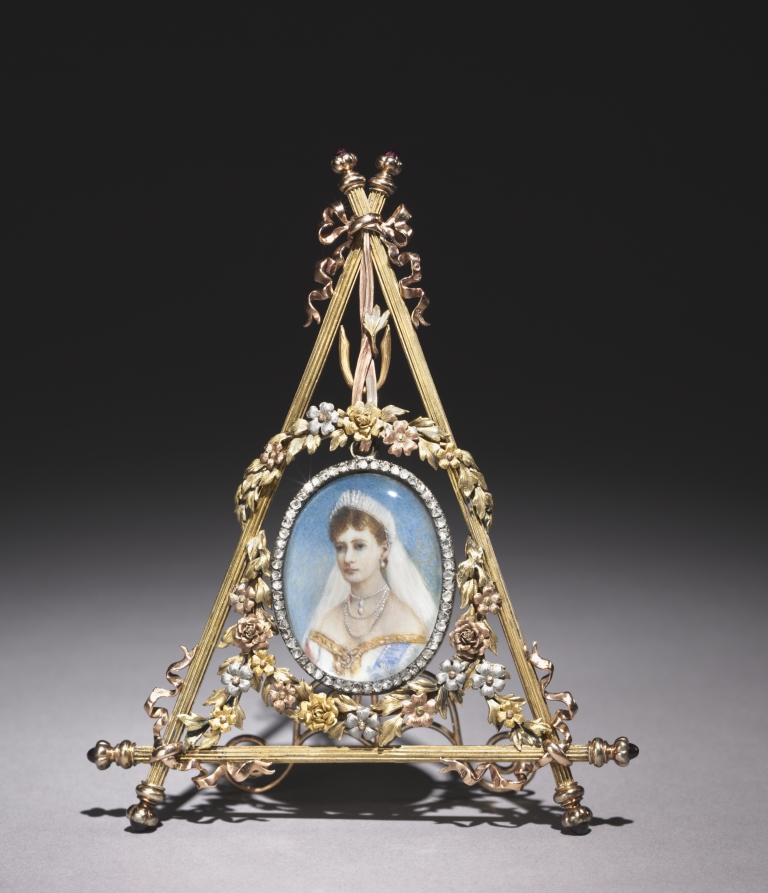
The House of Fabergé specialized in the creation of little treasures intended as opulent personal gifts. In creating luxurious accessories for a desk or tabletop, Fabergé often used native hardstones such as multicolored agate and quartz, green nephrite, pink rhodonite, and rock crystal found in the Ural Mountains of western Russia. Fabergé's designers often paired hardstones with silver mounts, particularly in the Moscow workshop where the silver studios were concentrated.
| Artist / Maker | House of Fabergé |
|---|---|
| Date | 1896 |
| Culture / Origin | Russia |
| Medium | silver, aventurine quartz |
| Dimensions | Overall: 15.2 cm (6 in.) |
| Department | Decorative Art and Design |
| Type | Silver |
About the Artist
Peter Carl Faberge (1846-1920) took over the House of Faberge in 1870 from his father Carl Gustav Faberge who had founded the firm in 1842. Until 1881, the firm manufactured primarily jewelry for Saint Petersburg's aristocrats and wealthy elite. In 1885 the firm was awarded the coveted imperial warrant as goldsmith to the tsar and began to produce elaborate presentation Easter eggs as a gift for the tsarina from her husband every year. They also produced luxurious accessories, jewelry, and… Full biography →
Provenance & Source
Image & data: Cleveland Museum of Art, CC0 / Public Domain.
Condition
A detailed condition report and high-resolution photography are available from our specialists in advance of the sale.
Shipping & Collection
Fine-art shipping with climate control and full insurance to over 120 countries; collection by appointment.
Buying at Matchless Pieces
Register, verify your identity, and bid online or in a private room. Buyer’s premium and taxes are shown before you confirm.