Click image to view full screen

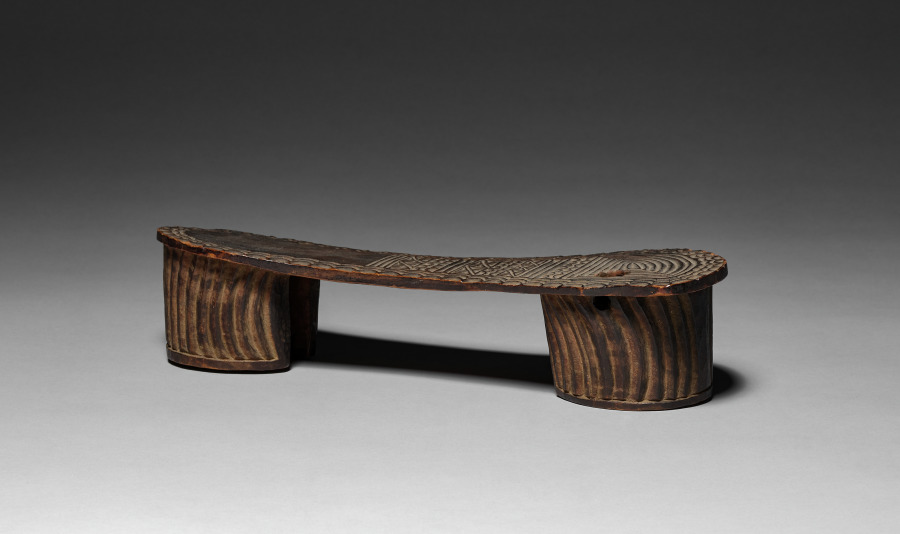
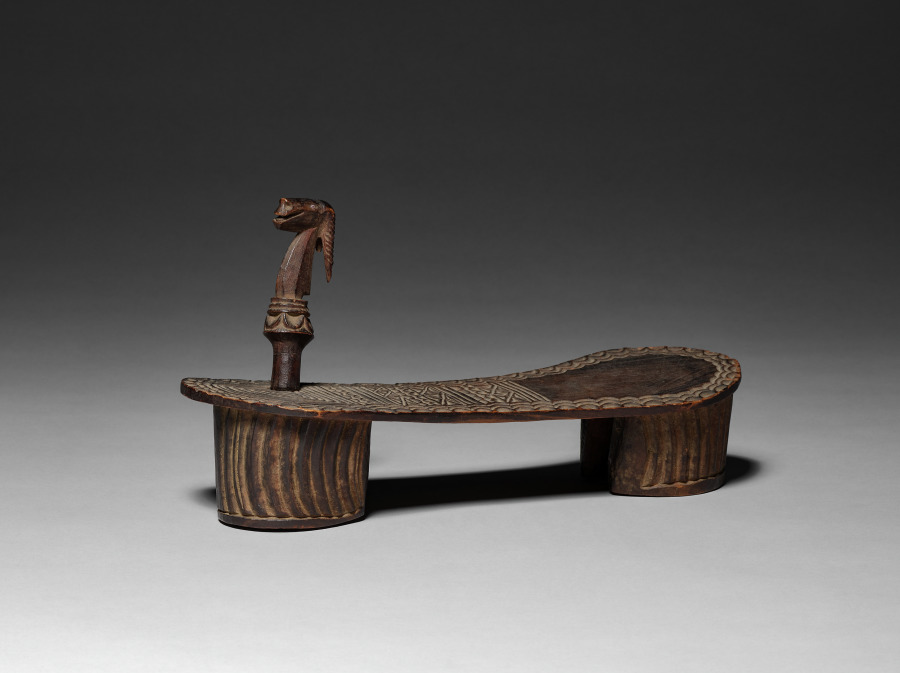
Sandal (mtalawanda / mtawanda) or Clog (kiatu cha mti)
✓ Authenticity guarantee · ✓ Specialist condition report · ✓ Insured worldwide shipping · ✓ Private-room viewing
Common in the Indian Ocean region, wooden sandals changed meaning across place and time. This pair’s base elevates the foot as the toes grip an antelope-shaped peg (<em>msuruaki</em>). Crisp geometric sole designs suggest they were rarely worn. East African elites and merchants once had exclusive rights to wooden shoes, wearing elaborate ones only for portraits. Formerly enslaved people living along the coast wore simpler ones from the 1840s onward, adopting elite footwear to assert their liberation. However, slave traders like the Zanzibari “Tippu Tip” (c. 1832–1905) likely brought <em>mitalawanda </em>to Central Africa; stylistic elements of this pair hail from that region.
| Artist / Maker | Anonymous, unidentified carver |
|---|---|
| Date | c 1800s |
| Culture / Origin | Africa, Central Africa, Democratic Republic of Congo, unidentified carver |
| Medium | Wood and glass beads |
| Dimensions | Overall: 29.2 x 9 x 6.1 cm (11 1/2 x 3 9/16 x 2 3/8 in.) |
| Department | African Art |
| Type | Wood |
About the Artist
Provenance & Source
Image & data: Cleveland Museum of Art, CC0 / Public Domain.
Condition
A detailed condition report and high-resolution photography are available from our specialists in advance of the sale.
Shipping & Collection
Fine-art shipping with climate control and full insurance to over 120 countries; collection by appointment.
Buying at Matchless Pieces
Register, verify your identity, and bid online or in a private room. Buyer’s premium and taxes are shown before you confirm.
You May Also Like
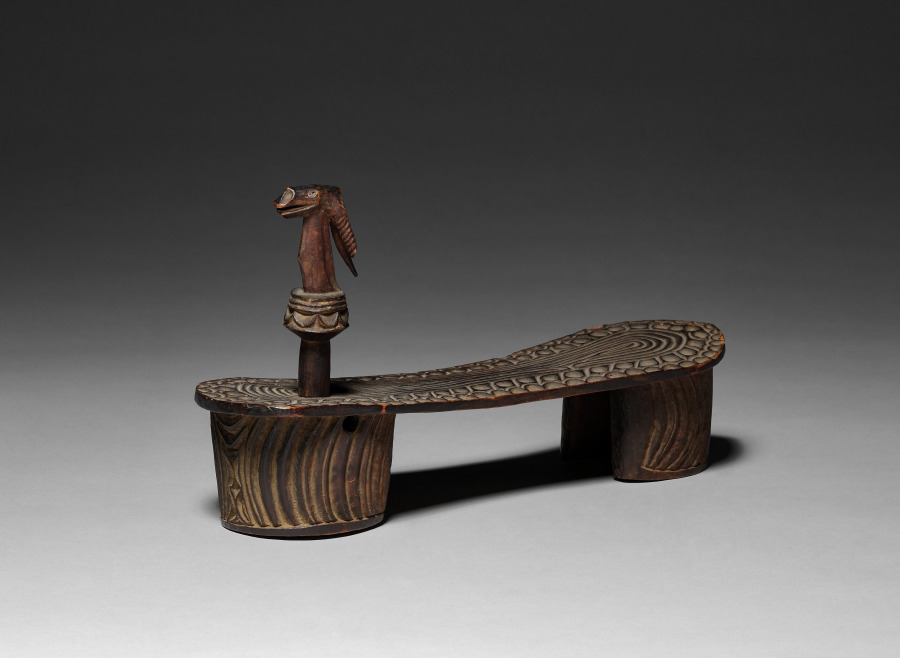
Anonymous, unidentified carver
Sandal (mtalawanda / mtawanda) or Clog (kiatu cha mti)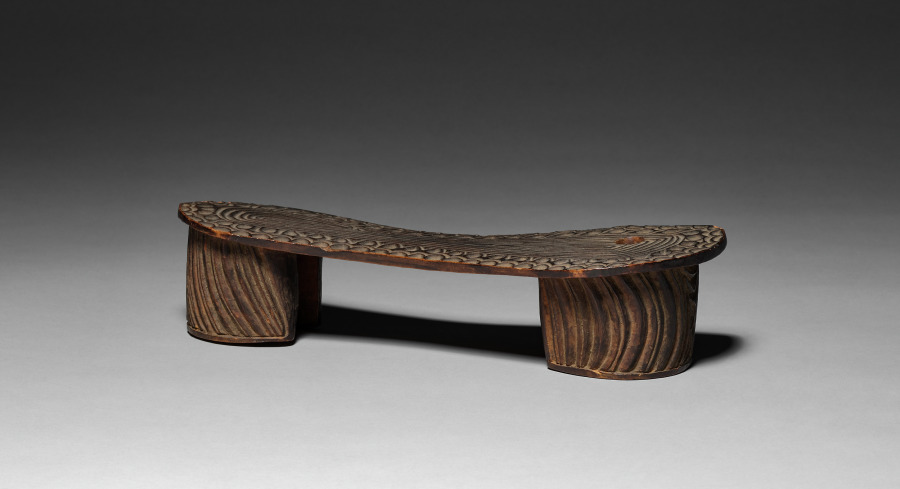
Anonymous, unidentified carver
Base for a sandal (mtalawanda / mtawanda) or Clog (kiatu cha mti)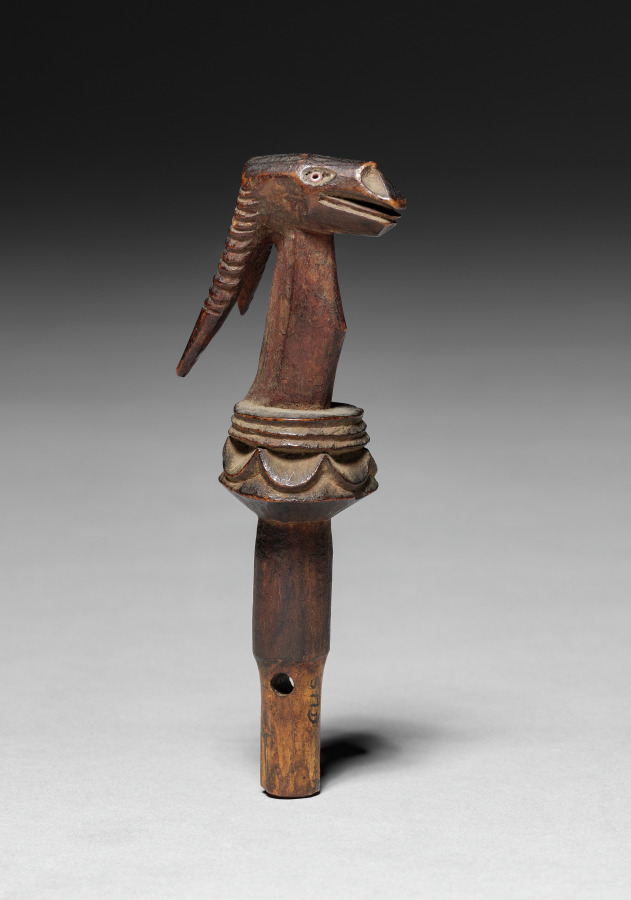
Anonymous, unidentified carver
Peg (msuruaki) for a Sandal (mtalawanda / mtawanda) or Clog (kiatu cha mti)